
The Role of Luck in Gambling
Luck is often regarded as a fundamental aspect of gambling, especially within the bustling environment of a casino. The unpredictability of outcomes in games of chance, such as slots, roulette, and card games, makes luck a crucial factor for players. Even the most strategic players can find themselves at the mercy of fortune when it comes to the results of their bets, and many are drawn to the excitement of platforms that offer unique experiences like payid casino alternatives. This inherent uncertainty can lead to thrilling wins or devastating losses, underscoring why luck is often the hero or villain in the gambling narrative.
In games like poker, while skill plays a significant role, luck can still sway the outcome dramatically. For instance, a well-timed card draw can transform a seemingly losing hand into a winning one, showcasing how unpredictable elements can alter the course of gameplay. This is especially true in games based purely on chance, where players have limited strategies to mitigate risk. The blend of skill, strategy, and particularly luck is what makes gambling so captivating and keeps players returning for more.
Moreover, the psychology of luck enhances the experience of casino games. Many players attribute their successes to luck, amplifying feelings of excitement and anticipation. This belief in good fortune serves as a powerful motivator, fueling the thrill of winning against the odds. Recognizing that luck plays a role can also help players manage their expectations, reminding them that any gamble can swing in an unexpected direction. Understanding the psychological aspects of luck can lead to a more enjoyable gambling experience.
The Nature of Casino Games
Casino games are meticulously designed with built-in odds that heavily favor the house, yet luck remains a vital component in determining individual outcomes. In slot machines, for example, the randomness of the number generator means that players can strike it rich on their very first spin or experience an endless string of losses. This variance in outcomes reveals how luck can enable significant wins that defy the odds, captivating players who chase that elusive jackpot.
Table games like blackjack and craps also present a fascinating blend of skill and chance. While understanding basic strategies can improve a player’s chances, there’s no escaping the role of luck. A player might skillfully manage their bets and decisions, but ultimately, the turn of a die or the dealing of cards can unexpectedly alter the result. This reality injects an element of suspense and excitement into every game session, as players never know when luck will favor them.

The design of casino games plays into the psychological belief in luck. The use of enticing symbols, thrilling sounds, and vibrant visuals enhances the overall experience, creating a stimulating environment where players can feel fortunate. The rush of engaging with high-stakes bets feeds into the allure of luck, as players remain hopeful for significant wins, even when the odds are stacked against them. Understanding the nature of casino games underscores just how intertwined luck is with the gambling experience.
The Influence of Superstitions and Rituals
Superstitions surrounding gambling are widespread, with many players believing in various rituals to attract good luck. For instance, some may wear lucky clothing, use specific tokens, or perform certain actions before placing a bet—all in the belief that these practices will positively influence their fortunes. These rituals create a sense of control in an otherwise unpredictable environment, allowing players to feel empowered as they engage in games of chance.
Interestingly, research suggests that these superstitions can enhance the gambling experience, as they often boost players’ confidence. When a player believes they possess a lucky charm or engages in a successful ritual, they might take risks they would otherwise avoid. This behavior can lead to increased wins or losses, highlighting the psychological component of gambling where luck is not merely random but intertwined with personal beliefs and practices that can shape outcomes.
Moreover, casinos frequently exploit these superstitions through their environments. The design of gambling floors, the sounds of coins dropping, and the celebratory atmosphere during wins evoke feelings of luck. By catering to these beliefs, casinos create settings where players feel optimistic, even if the underlying odds may be against them. Ultimately, the beliefs players hold about luck can significantly influence their attitudes and behaviors while gambling, shaping their overall experience.
Luck and Player Behavior
The concept of luck can significantly influence player behavior in a casino setting. Gamblers often exhibit traits that illustrate their relationship with luck, such as risk tolerance and decision-making processes. Players who perceive themselves as lucky tend to take larger risks, potentially increasing their chances of winning big or losing it all. This behavior can lead to higher stakes and more intense gaming sessions, where the idea of luck becomes central to the gambling experience.
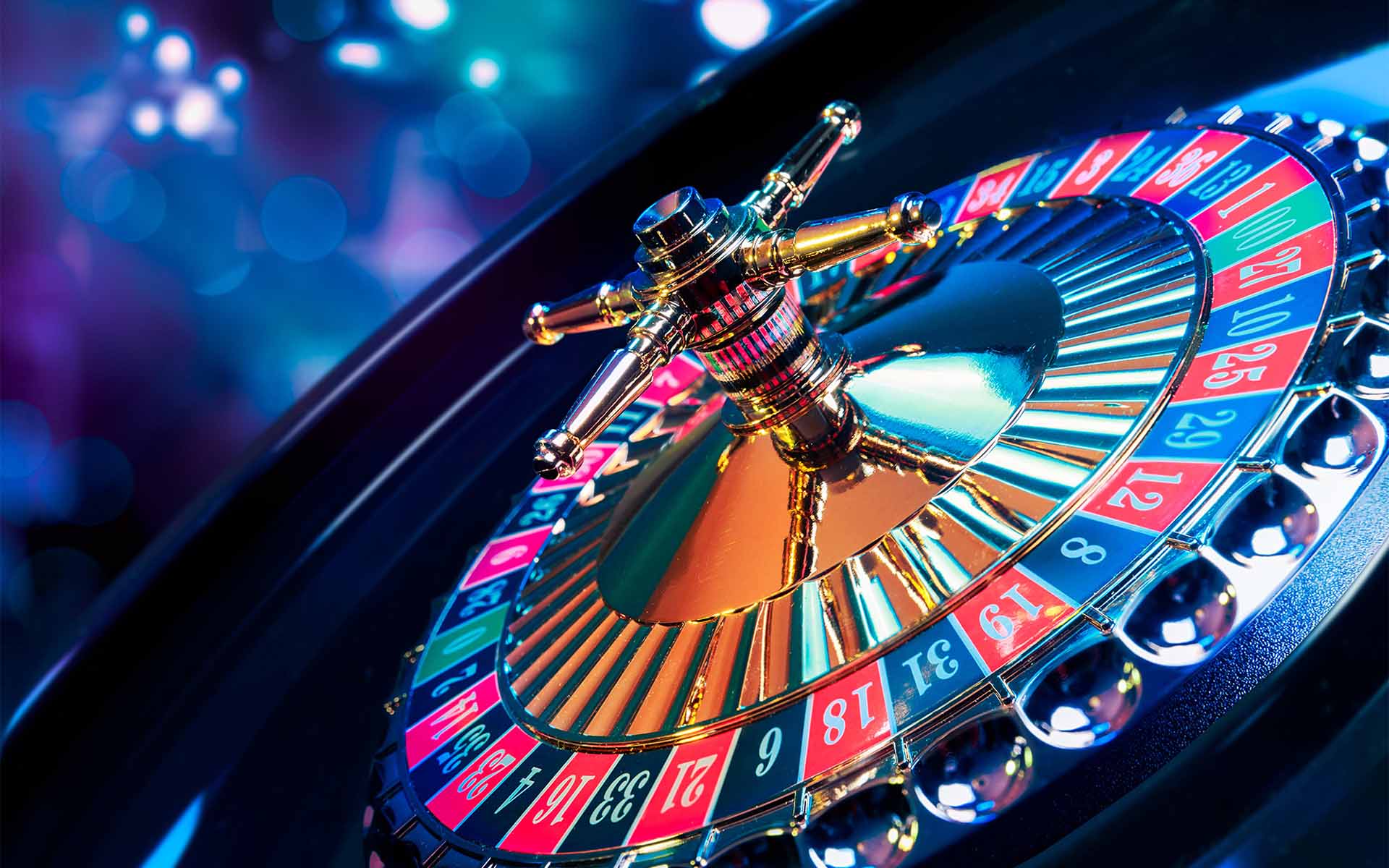
Additionally, the belief in luck can result in the “gambler’s fallacy,” where players mistakenly think that past outcomes will influence future events. For example, a player might believe that after a series of losses, they are “due” for a win. This misconception can drive players to continue betting in hopes of overcoming bad luck, potentially leading to a cycle of gambling that results in significant financial implications. Understanding this behavior showcases how powerful the perception of luck can be in shaping gambling experiences.
Furthermore, the way players react to winning or losing can also be tied to their beliefs about luck. Winners often feel a rush of excitement and may attribute their success to a lucky day or charm, reinforcing positive behavior. Conversely, those on a losing streak might feel demotivated or frustrated, leading them to chase losses in an attempt to restore their luck. This ongoing interplay between luck and player behavior encapsulates the complex nature of gambling, where each player’s experience is uniquely influenced by their attitudes toward fortune.
Explore the Exciting World of Casinos
The world of casinos is filled with excitement, anticipation, and the palpable thrill of luck. Understanding the role that luck plays in the gambling experience can help players navigate this exhilarating environment more effectively. By appreciating how chance influences outcomes, gamblers can approach their play with a balanced mindset, ready to enjoy the journey while potentially striking it rich.
Moreover, being aware of the psychological aspects and the influence of superstition can enrich the overall gaming experience. Recognizing how these beliefs affect emotions and decisions provides valuable insights for players, allowing them to make informed choices while enjoying their time at the casino. Whether playing for fun or seeking serious wins, embracing the unpredictable nature of luck can significantly enhance the overall enjoyment of casino gaming.
As you embark on your casino journey, remember that luck is a compelling element that intertwines skill, strategy, and fate. Embrace the excitement, manage your expectations, and indulge in the thrill of the game, knowing that every spin, roll, or card drawn is part of what makes the casino experience so uniquely captivating. Understanding luck can transform gambling from a mere game of chance into a rich tapestry of experiences, emotions, and unforgettable moments.
