
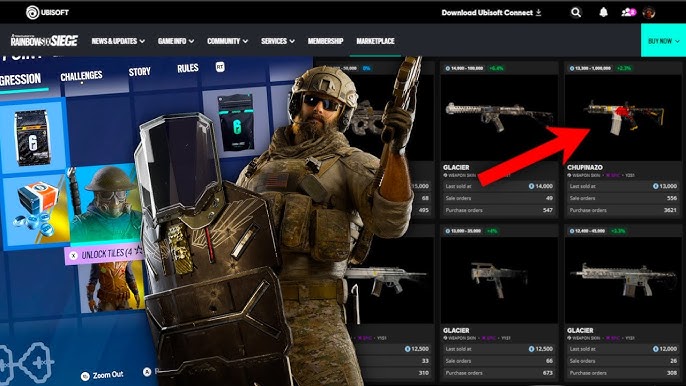
I nevertheless recollect the primary time I heard gamers talking about the Rainbow Six Siege marketplace 1/2 exhilaration, half confusion. Everyone seemed to have a distinctive tale. Someone bought pores and skin they forgot they owned. Someone else waited weeks for a buy order to hit. That interest is exactly why these market topics are. It isn’t just some other menu option; it quietly modifies how players consider value, rarity, and timing in the interior of Rainbow Six Siege.
What makes this gadget interesting to me is that it feels more like a living economy than a standard in-game shop. Prices circulate. Demand spikes. Some items remain untouched, while others vanish right away. Once you understand how the market behaves, you avoid guessing and start making smarter choices. That shift, from random shopping to intentional buying and selling, is when most gamers abruptly recognise they’ve been leaving credits on the desk.
I’ve also noticed how an awful lot of incorrect information floats around approximately safety, eligibility, and “excellent costs.” Some recommendations sound confident; however, they fall apart the moment real orders are placed. Since this market is officially tied to Ubisoft, the regulations are stricter, the structures are quieter, and the consequences reward patience more than hype. That’s why getting readability prematurely isn’t optional, it’s the distinction between losing credits and, in reality, using the gadget the way it was designed to work.
What Is the Rainbow Six Siege Marketplace and Why Does It Exist?
At its core, the Rainbow Six Siege market is a reputable trading platform where gamers trade cosmetic exchange items using R6 Credits. Instead of relying on random availability or volatile external websites, Ubisoft introduced a managed environment that ties each transaction to an unmarried account. No actual money adjustments fingers, and no gadgets leave the ecosystem.
The purpose it serves is simple:
call for an outgrown antique gadget. Years of seasonal skins, limited cosmetics, and distinctive drops created a big stock imbalance. Some players owned items they never used, while others ignored them completely. The marketplace bridges that hole without detrimental sport stability.
It additionally protects the network. By centralizing trades, Ubisoft reduces scams, account theft, and rule violations. Players benefit from flexibility, while the game economy remains strong. It’s not just about shopping for skins. it’s approximately giving cost to what already exists in your inventory.
How the Rainbow Six Siege Marketplace Actually Works
The market operates on an order-based, total-machine basis rather than on spot purchases. Buyers place orders stating the widest range of R6 Credits they’re willing to pay. Sellers list items at a price they believe the market will pay. When each number is aligned, the change completes robotically.
This device rewards persistence. Unlike traditional stores, there’s no assurance of instant fulfillment. Some order healthy inside minutes, others take days. Prices vary primarily based on rarity, recognition, and timing. A product that feels high-priced today may drop in price day after day as supply increases.
What makes this machine exciting is that it eliminates the pressure of negotiation. There’s no messaging, no haggling, no threat of manipulation. The algorithm definitely fits the satisfactory-to-be-heard option. Once you grasp this flow, selections become less emotional and always more strategic.
Marketplace Eligibility Requirements You Must Meet First
Not every participant can get admission to the marketplace straight away. Ubisoft locations’ eligibility necessities to prevent abuse, automation, and fraudulent conduct. These policies aren’t limitations; they’re safeguards designed to shield valid players.
Accounts should reach a minimum level, show current hobbies, and meet safety requirements. Players with restrictions or sanctions can also access restraints. While this could be frustrating, it helps ensure that trades stay honest and traceable.
Many players forget those requirements and anticipate that the marketplace is broken when objects don’t seem to exist. In truth, eligibility assessments appear quietly in the background. Once all situations are met, entry is seamless. Meeting those necessities early saves time and confusion later.
How to Access the Rainbow Six Siege Marketplace
Accessing the Rainbow Six Siege marketplace isn’t done through the game itself. Instead, it operates through Ubisoft’s legitimate website. After logging in to your account, eligible gadgets are automatically added to your tradable stock.
This separation from the game is intentional. It adds a layer of protection and keeps buying and selling hobbies monitored independently. Once logged in, gamers can browse gadgets, place location orders, and control listings without affecting gameplay.
Only eligible cosmetics are listed, which prevents accidental listing of restricted gadgets. This readability enables players to understand what can be traded in good faith. The interface can also exhibit unexpected behavior at first, but after some interactions, it will become noticeably intuitive.
How Buying Items on the Siege Marketplace Works
Buying on the market isn’t about grabbing the first available choice. It’s about setting limits and letting the machine paint. Buyers select an item, determine their maximum charge, and place an order. From there, the marketplace searches for a seller willing to meet that cost.
Many new users overpay because they rush. Waiting even a few hours can result in better pricing as new listings appear. Demand spikes frequently follow events, updates, or content drops, so time topics more than impulse.
A small, private lesson stands out here. The first time I placed a purchase order, I set my charge too high to “get it over with.” Minutes later, inexpensive listings appeared. That mistake taught me patience—and saved me credits in the long run.
How Selling Items on the Rainbow Six Siege Marketplace Works
Selling gadgets feels empowering once you recognize unused cosmetics can become future purchases. Sellers list items at a delegated price, and the market waits for a matching purchaser. There’s no assurance of velocity, however, sensible pricing dramatically improves effects.
Overpricing is the most commonplace mistake. Many players expect rarity to equal an on-the-spot fee; however, the call determines the entire amount. Watching modern listings helps dealers discover a sweet spot that balances velocity and profit.
Once a sale completes, credits are added routinely. There’s no manual confirmation required. This arms-off method removes pressure and decreases errors. Selling isn’t approximately chasing the best quantity—it’s about knowing what gamers are truly inclined to pay.
Ubisoft Marketplace Fees and Credit Calculations Explained
Every completed sale includes a transaction charge. Ubisoft deducts a percentage before the vendor credit is applied. While a few players dislike this, the rate helps platform safety, moderation, and infrastructure.
Understanding net profits is critical. Listing an object at a spherical number doesn’t mean you’ll obtain that full quantity. Smart dealers factor the price into their pricing decisions, ensuring expectations remain sensible.
This price also discourages immoderate flipping and manipulation. Without it, the marketplace ought to become unstable. While it barely reduces earnings margins, it continues the economy, healthily, and benefits everyone in the long term.
What Items Can and Cannot Be Traded
The market offers a wide variety of beauty items, including weapon skins, headgear, uniforms, charms, and more. However, not everything qualifies. Certain seasonal items, promotional rewards, or latest releases can be restrained.
These boundaries shield progression structures and occasion value. If the whole lot had been tradable without delay, seasonal participation would lose that means. Restrictions ensure that earning gadgets still feel rewarding.
Players often assume missing items indicate bugs. In fact, eligibility depends on item type, release window, and account reputation. Knowing those obstacles prevents frustration and enables players to plan future trades more efficiently.
Is the Rainbow Six Siege Marketplace Safe to Use?
Safety is one of the market’s strongest benefits. Because Ubisoft operates it, every transaction is tied to established accounts and in-game forex is handled most effectively. There’s no real-money hazard and no object transfer outside authentic systems.
Security measures lessen scams dramatically. Two-factor authentication, account reviews, and automated monitoring create a managed environment. Compared to third-birthday party sites, the hazard is minimal.
While no device is best, this one is built with prevention in mind. For gamers who prioritize protection over shortcuts, the marketplace offers peace of mind without sacrificing flexibility.
Frequently Asked Questions
What is the Rainbow Six Siege Marketplace?
It’s a professional Ubisoft platform where players change beauty items using R6 Credits.
Who can use the market?
Eligible gamers who meet account degree, safety, and interest necessities.
Can real cash be used at the marketplace?
No. Only in-game R6 Credits are allowed.
Are all skins tradable?
No. Some items are restricted because of season, advertising, or exclusivity.
Is the marketplace really worth using for beginners?
Yes. With patience and smart pricing, novices can take advantage appropriately.
