
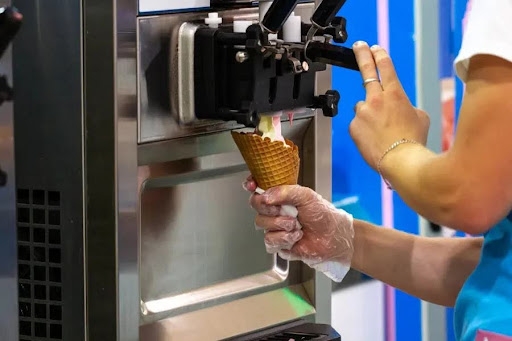
Many cafes, restaurants, & dessert stores rely heavily on soft serve machines. Consumers want uniform portions, a smooth texture, and quick delivery, but it’s not always simple to meet their expectations. Even the most dependable devices may eventually start to exhibit inefficiencies. They start using more energy than normal, freeze poorly, or make sloppy or excessively firm ice cream.
You can conserve money, minimise downtime, and maintain client loyalty by knowing how to enhance the operation of your soft serve equipment. This article leads you through the key areas to concentrate on, from routine maintenance to the function of certain parts like the Taylor mix level float, which is crucial to guaranteeing appropriate mix flow.
The Value of Appropriate Sanitisation and Cleaning
Making a commitment to thorough cleaning is among of the most crucial measures in enhancing the functionality of soft serve machines. The accumulation of residue within the hoppers, freezing cylinders, as well as dispensing components may limit the mix’s flow as well as increase the machine’s workload. This eventually results in delayed freezing, increased motor effort, and altered product texture. Servicing the equipment every day keeps it clear of obstructions and stops bacteria from growing.
Although every manufacturer has different cleaning guidelines, the fundamentals are always the same: disassemble detachable components, wash them with warm water & the appropriate cleaning solutions, and make sure the hopper and cylinders are thoroughly cleaned before reassembling. Although it can seem repetitious, regular maintenance directly affects the quality of the final product.
Examining the Taylor Mix Level Float and Mix Levels
The mix level monitoring system is a particular component which is frequently disregarded yet is crucial to machine performance. The Taylor Mix Level Float in various Taylor machines aids in controlling the amount of liquid mix that stays in the hopper. The machine can become short on mix without warning you if the float is broken, jammed, or improperly calibrated. Air enters the freezing chamber whenever the mix level falls too low, resulting in uneven item texture, overheating, or even freeze-ups.
Regular inspection of this float is necessary to improve machine operation. Verify that it contains no cracks, travels easily, and activates the machine’s low-mix indication as anticipated. Maintaining a consistent mix supply in the hopper guarantees a stable and seamless freezing process during operation.
Making Use of Superior Soft Serve Mix
Soft serve mixes are not all made equal. Low-grade mixes sometimes contain fillers or uneven ingredients that can affect the final form and cause the machine to work more to attain the correct uniformity. Smoother servings, better freezing, and less mechanical stress are all achieved by using a high-quality mix. Although they need to be properly refrigerated, liquid mixtures often freeze more quickly and uniformly.
Powdered mixtures, on the other hand, have an extended shelf life but require careful mixing to prevent lumps or air pockets. Regardless of the choice you make, persistence is essential. The machine may find it difficult to adjust if the mix formula is changed often, leading to an inconsistent texture.
Keeping the Proper Temperature Settings
The performance of soft serves is significantly influenced by temperatures. The machine could freeze and harm internal parts if it is set too cold. The product loses its distinctive texture, becomes liquid, and melts readily when it turns too hot. The optimal temperature ranges for storage and freezing are recommended by each equipment brand. The machine will function well if these settings are regularly checked.
Temperature variations may be a sign of low refrigerant levels, a malfunctioning thermostat, or a problem with airflow all around the condenser. Stable temperatures are also influenced by the machine’s positioning. Avoiding ovens, grills, as well as direct sunshine keeps the freezing cylinders from overheating as well as guarantees smooth operation.
Lubricating Internal Components
The dasher and drive shaft are two spinning components of soft serve machines that need to be lubricated. Inadequate lubrication causes these components to grind against one another, creating friction which ends in heat accumulation and ineffective mixing. It puts your internal parts at danger of premature wear in addition to impairing the machine’s performance. Smooth rotation is ensured and the motor’s duty is decreased through the application of the food-grade lubricant that the manufacturer recommends. Although lubrication regimens differ, most equipment need maintenance each time they are cleaned.
Conclusion
It takes consistency as well as care to detail, not complicated jobs, to improve the operation of your soft serve machine. Every little step, from lubrication as well as cleaning to keeping an eye on mix levels using tools like the Taylor Mix Level Float, adds up to a smoother process as well as better-tasting soft serve.
