
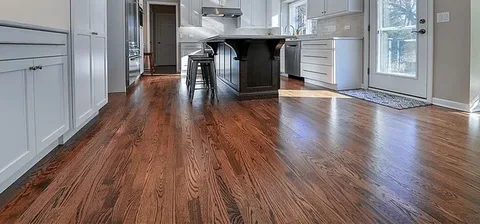
You walk into a room and something feels off. Maybe the space looks dull. Or it feels too cold. Sometimes it even feels smaller than it really is. Most people blame wall colors or furniture. But the real reason is often under your feet.
Flooring plays a huge role in how a space feels. It affects light. It changes warmth. It even shapes how big or cozy a room looks. That is why choosing the right flooring is not just about design. It is about creating the right mood for your home.
When you visit a flooring store, you may think you are just picking a material. In reality you are deciding how your space will feel every single day.
In this guide we will break down how flooring impacts mood. You will also learn how to choose the right option without confusion.
Why Flooring Sets the Emotional Tone of Any Room
Flooring is one of the largest surfaces in a room. That means it naturally draws attention. Even when you do not notice it directly it still affects how you feel.
A dark floor can make a room feel cozy. A light floor can make it feel open and fresh. Smooth textures can feel modern while natural grains feel warm and inviting.
How the brain reacts to flooring
Your brain processes space visually first. Flooring creates the base of that visual experience. It sets expectations before you even notice furniture.
- Light tones often feel calm and clean
- Warm tones feel comfortable and welcoming
- Dark tones feel bold and grounded
It connects everything together
Flooring acts like a background for everything else. Walls furniture and decor all sit on top of it. If the flooring feels wrong the whole room feels disconnected.
That is why people often renovate floors first before changing anything else.
When the Wrong Flooring Ruins Your Space
Sometimes a room feels uncomfortable but you cannot explain why. In many cases flooring is the hidden problem.
You may have beautiful furniture but the space still feels off. That happens when the flooring does not match the purpose of the room.
Common issues people face
- Rooms feel smaller than they are
- Spaces look too cold or lifeless
- Lighting does not reflect properly
- Furniture does not blend well
Example scenario
Imagine a small bedroom with very dark flooring. Instead of feeling cozy it may feel cramped. Now switch to a lighter tone. Suddenly the same room feels bigger and more breathable.
That small change can completely shift your experience.
Choosing Flooring Based on the Mood You Want
Instead of choosing flooring randomly think about how you want your space to feel. This makes your decision much easier.
For a warm and cozy feel
Go for natural textures and warm tones. Wood based materials work very well here.
Hardwood flooring is a strong choice because it adds natural warmth. It also makes living rooms and bedrooms feel inviting.
For a modern and clean vibe
Choose lighter tones with smooth finishes. Neutral colors like beige or light grey work well.
These make spaces feel fresh and minimal without looking empty.
For a bold and dramatic look
Dark flooring can create a strong visual impact. It works best in larger rooms with good lighting.
But you need to balance it with lighter walls and decor.
What You Will See Inside a Flooring Store
Walking into a flooring store can feel overwhelming. There are so many options that it becomes hard to decide.
But once you understand how each type affects mood the process becomes easier.
Popular flooring options and their feel
Hardwood flooring
- Warm and natural feel
- Timeless look
- Works well in most rooms
Laminate flooring
- Budget friendly
- Mimics wood appearance
- Slightly less authentic feel
Vinyl flooring
- Soft underfoot
- Good for modern spaces
- Water resistant
Tile flooring
- Cool and clean look
- Ideal for kitchens and bathrooms
- Can feel cold in living areas
Each option creates a different emotional response. That is why you should not choose based only on price.
Mistakes That Can Destroy the Room’s Mood
Many people focus only on looks. They forget how flooring interacts with light space and function.
Ignoring room size
Dark floors in small rooms can make them feel tighter. Light floors can open up space visually.
Not considering natural light
A room with little sunlight needs flooring that reflects light. Otherwise it may feel dull.
Matching everything too much
Trying to match flooring exactly with furniture can make the room look flat. Contrast often works better.
Choosing trend over comfort
Trendy designs may look good now but feel uncomfortable later. Always think long term.
Smart Tips Before You Finalize Your Flooring
Making the right choice becomes easier if you follow a few practical steps.
Test samples in your space
Lighting changes how flooring looks. Always check samples at home instead of relying on showroom lights.
Think about daily use
High traffic areas need durable materials. Bedrooms can handle softer and warmer options.
Balance color with walls
If your walls are bold keep flooring simple. If walls are neutral you can experiment more with flooring.
Ask the right questions at a flooring store
- How does this material handle wear
- Will the color fade over time
- Is it easy to clean
These small questions can save you from big regrets later.
Real Life Examples That Show the Impact
Sometimes the best way to understand flooring is through real situations.
Living room transformation
A family replaced dark tiles with light wood flooring. The room instantly felt larger and more welcoming. Guests started spending more time there.
Bedroom upgrade
Switching to warm toned flooring made the bedroom feel more relaxing. It helped create a better sleeping environment.
Kitchen improvement
Using clean tile flooring made the kitchen look brighter and more hygienic. It also improved functionality.
These examples show how flooring is not just visual. It changes how you live in the space.
Final Thoughts
Flooring is not just a design choice. It is an emotional decision. It affects how you feel every time you enter a room.Instead of rushing, take time to understand your space. Think about mood comfort and function. Visit a flooring store with a clear idea of what you want to achieve.The right flooring will not just improve your home. It will improve your everyday experience.
FAQs
How does flooring affect room brightness
Flooring reflects light across the room. Light colors make spaces feel brighter. Dark colors absorb light and can make rooms feel dim.
Is hardwood flooring good for all rooms
Hardwood flooring works well in living areas and bedrooms. However it may not be ideal for bathrooms due to moisture.
Can flooring really make a room feel bigger
Yes, lighter flooring creates an open look. It visually expands space and makes rooms feel larger than they are.
