
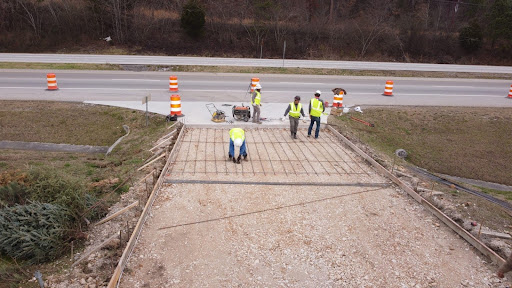
Commercial driveway installation in Galveston demands more than pouring concrete and smoothing the surface. Anyone who has watched a driveway fail after the first heavy rain knows drainage is the silent threat that destroys projects from the inside out. Around Galveston, where sudden storms and high humidity are part of normal life, even a small mistake in water management can turn a solid driveway into a cracked, uneven mess. I have seen property owners assume a thick slab alone is enough, only to deal with puddling, structural shifting, and expensive repairs a year later. When water has nowhere to go, the driveway eventually pays the price.
How Poor Drainage Leads to Structural Failure
Water Pressure Under the Surface
Water trapped beneath a concrete driveway builds hydrostatic pressure. Over time, that pressure pushes upward, forcing the slab to lift or settle unpredictably. Many commercial sites near the coast already sit on challenging soil, so ignoring drainage is like stacking problems on top of each other.
Soil Movement Due to Moisture
When soil absorbs too much water, it expands. When it dries out, it contracts. That cycle causes constant movement beneath the slab. If the contractor fails to grade the area properly before commercial driveway installation in Galveston, the concrete will eventually crack along the weakest points. You may not notice it instantly, but the damage grows with every storm season.
Accelerated Erosion
Without proper water channels, runoff begins eating away at the edges of the driveway. That erosion weakens the support structure and makes the slab more vulnerable to fractures. I have watched businesses patch the same edge repeatedly, not realizing the real culprit is uncontrolled runoff, not weak concrete.
Grading Mistakes That Set the Project Up for Failure
Incorrect Slope
A concrete driveway must slope enough to move water away from the building and toward a safe drainage zone. If the slope is too shallow, water sits. If it is uneven, water flows back toward the structure. Both situations lead to foundation problems and surface deterioration. A common mistake is eyeballing the slope instead of measuring properly. That approach never works in a commercial setting.
Ignoring Natural Water Flow
Every property has a natural path where water wants to move. If the design of the driveway blocks that path, unwanted pooling starts immediately. I once saw a business owner blame the concrete mix for early cracking, but the real issue was a driveway built directly over a natural flow channel. With Galveston’s heavy downpours, that oversight becomes a disaster fast.
Failure to Prepare the Subgrade
Even with the right slope, a weak or poorly compacted subgrade ruins the project. Water finds soft spots, and those areas collapse first. Proper preparation may not be visible when the job is done, but it is the foundation of a long lasting concrete driveway.
Drainage Solutions That Actually Work in Galveston
Strategic Channel Placement
Channels collect and redirect surface water before it has a chance to seep into the soil. Placing them at low points or high traffic areas helps keep the driveway safe and stable during storms.
Catch Basins and Grates
These systems capture runoff and guide it into underground pipes. While some owners hesitate because they see them as an extra cost, they actually prevent large scale failures. A single basin can save thousands in later repairs.
Proper Edge Support
The edges of a commercial driveway take the most abuse from water. Reinforcing those areas with compacted gravel, thicker concrete, or proper curbing stops erosion before it starts. Without strong edges, even a perfect slab will weaken.
Why Galveston Properties Face Unique Drainage Challenges
Weather Patterns That Stress Concrete
Galveston gets sudden bursts of rain that can dump inches of water in minutes. That fast release puts stress on every outdoor surface. Concrete driveways without smart water control respond by cracking, settling, or developing dangerous slick spots.
Coastal Soil Conditions
The region’s mix of sand, clay, and moisture sensitive soil makes the ground shift more than in many inland locations. Projects that would survive elsewhere fall apart here unless the drainage plan is airtight.
High Traffic Demands
Commercial spaces handle heavier loads and frequent use. When water weakens the soil underneath, trucks and delivery vehicles speed up the damage. A small drainage error becomes a major liability when heavy equipment rolls through daily.
Costly Signs That Drainage Was Done Wrong
Standing Water After Rain
If you see puddles lasting more than a day, water is not draining properly. This is usually the first warning sign.
Cracking Near the Edges
This often happens when runoff erodes the soil beneath the border of the driveway. Once cracks form, they spread.
Sinking or Lifting Sections
Uneven slabs show the subgrade has shifted due to moisture. Left untreated, these areas become trip hazards and structural risks.
Frequent Patch Repairs
If your maintenance team keeps fixing the same spots, you are dealing with a drainage issue, not a concrete one.
Maintenance Tips to Reduce Drainage Problems
- Clean debris from grates or channels regularly
- Inspect edges for signs of soil washout
- Seal cracks early before water enters the base
- Monitor puddle locations after heavy rain
FAQ
What affects the durability of a commercial concrete driveway in Galveston
Poor drainage, soil movement, and heavy traffic are the biggest threats. Proper grading and water control increase lifespan.
How do I know if my property needs drainage adjustments
Look for pooling water or uneven concrete. These signs often point to improper water flow around the driveway.
Can existing commercial driveways be upgraded with drainage solutions
Yes. Contractors can add channels, basins, or regrade sections to improve performance.
Is concrete thickness enough to prevent drainage problems
No. Even thick slabs fail without proper water management and subgrade preparation.
What should I ask before starting a commercial driveway project
Ask how the contractor handles grading, runoff control, and soil compaction. These factors matter more than the concrete finish.
Conclusion
A durable commercial driveway installation in Galveston depends on smart drainage, proper grading, and a solid understanding of local soil. Ignoring these essentials leads to repairs, downtime, and safety concerns. For dependable results built to handle coastal conditions, reach out to Mouton Concrete Services Group.
