
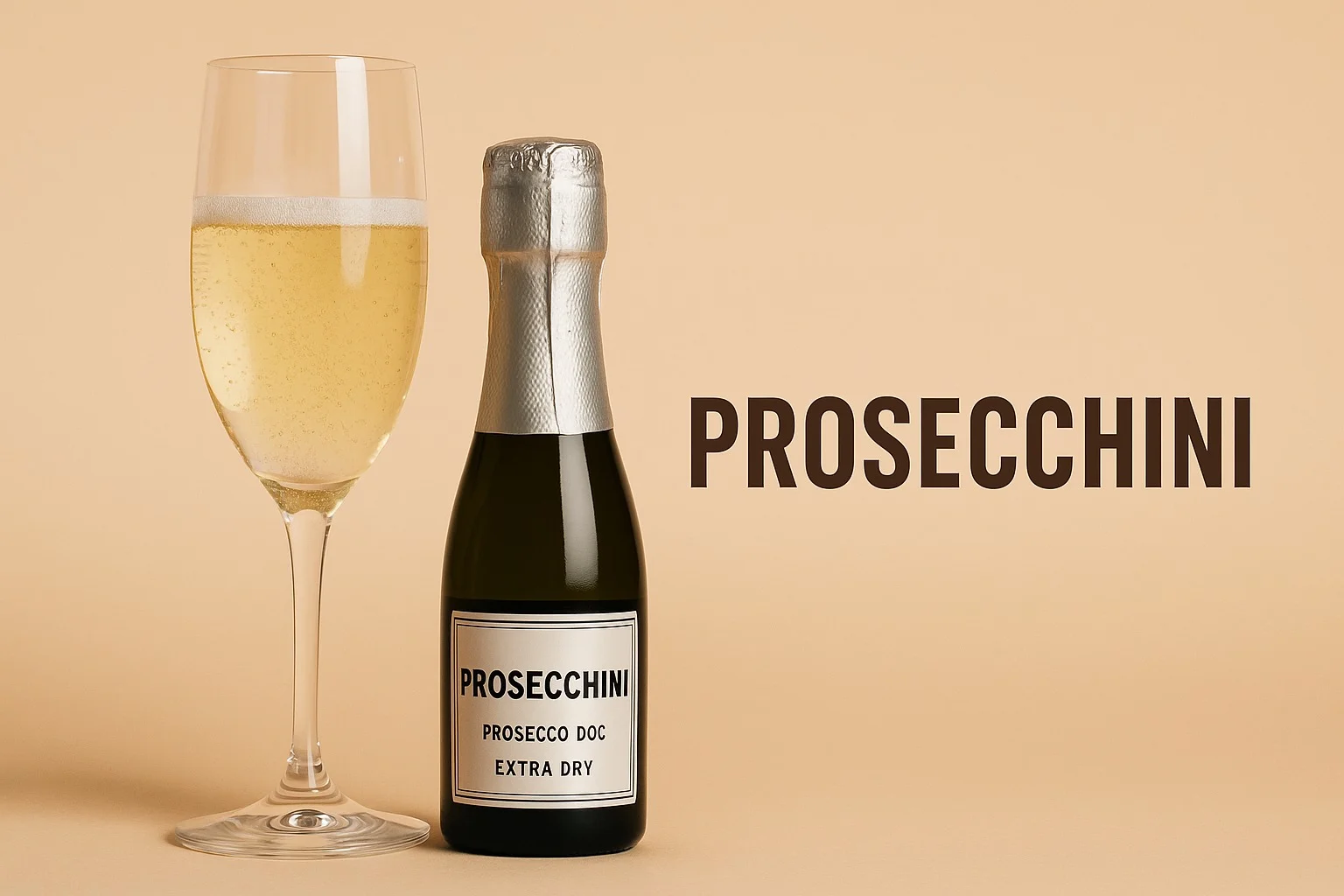
There’s something magical about that first pop of a bottle. The sparkle, the soft fizz, the light perfume of grapes, it’s the sound of celebration. That’s what prosecchini represents: a blend of Italian sophistication and approachable joy. Born in the rolling hills of Northern Italy, prosecchini has earned a place at dinner tables, weddings, and sunlit brunches around the world.
Unlike heavier sparkling wines, prosecchini is light, crisp, and effortlessly stylish. It’s not just about drinking; it’s about enjoying life’s little moments. For Italians, this drink captures the essence of la dolce vita, the sweet life. Whether sipped slowly or poured into cocktails, prosecchini is the sparkling expression of charm and connection.
The Origin and Meaning of Prosecchini
Prosecchini finds its roots in Italy’s Veneto region, home to the world-famous Prosecco. The word itself refers to smaller bottles or individual servings of sparkling wine, often used to celebrate casual gatherings. But its meaning runs deeper. It symbolizes the modern Italian approach to wine, accessible luxury meant to be enjoyed, not reserved for special occasions.
Historically, this region’s cool climate and limestone-rich soil made it ideal for cultivating Glera grapes. Over time, the art of winemaking evolved into a cultural tradition. Prosecchini grew out of that same passion but with a twist. It’s a modern expression of tradition, a way to bring Italy’s wine culture into everyday life without losing authenticity or craftsmanship.
History and Evolution of Prosecchini in Italian Wine Culture
The story of prosecchini begins centuries ago, when Venetian winemakers started experimenting with sparkling techniques to create lively, refreshing wines. In the 16th century, the Glera grape was already being cultivated in Northern Italy, producing light, aromatic wines that people adored. But it wasn’t until the 20th century that sparkling wine production became an art form.
As technology advanced, the Charmat method emerged, allowing winemakers to produce fine bubbles on a larger scale. Prosecchini quickly became a symbol of Italian creativity—turning a local favorite into a global sensation. Over the decades, it transitioned from a regional specialty to an international lifestyle statement. The drink evolved, but its heart remained purely Italian: simple, elegant, and full of life.
How Prosecchini Is Made – The Art of Crafting Bubbles
The secret behind prosecchini’s charm lies in its production process. It starts with the Glera grape, carefully handpicked from vineyards across Veneto. The grapes are gently pressed to extract pure juice without bitterness. This juice is then fermented in stainless steel tanks, where yeast converts natural sugars into alcohol while preserving the fresh fruit character.
Unlike Champagne, which undergoes fermentation in the bottle, prosecchini uses the Charmat method. Here, the second fermentation happens in sealed tanks, creating its signature light, crisp bubbles. The result is a wine that feels refreshing, not heavy. Each bottle reflects precision, patience, and passion. Every sip tells a story of craftsmanship, from the hillside vineyards to the chilled glass in your hand.
Key Differences Between Prosecchini and Champagne
Both prosecchini and Champagne sparkle beautifully, but they’re worlds apart in personality. Champagne hails from France and is produced using the traditional bottle fermentation method, giving it a rich, toasty flavor. Prosecchini, on the other hand, is Italian and crafted through the Charmat method, which enhances freshness and fruitiness.
In flavor, Champagne leans toward notes of brioche and nuts, while prosecchini delights with hints of apple, pear, and white peach. It’s lighter, livelier, and often more affordable. Where Champagne whispers of luxury and formality, prosecchini feels spontaneous and playful. It’s the friend who brings laughter to dinner, the sparkling companion that fits both quiet evenings and grand celebrations.
Popular Varieties and Brands of Prosecchini
Prosecchini comes in several delicious varieties, each reflecting its region’s unique terroir. The most popular types include Brut (dry and crisp), Extra Dry (slightly sweet), and Rosé (delicately fruity). These variations allow everyone to find their favorite style, from refreshing aperitifs to romantic dinner companions.
Among the well-known producers, brands like Mionetto, La Marca, and Valdo stand out for consistency and quality. Mionetto captures the lively citrus notes Italians adore, while La Marca brings floral elegance to every glass. Valdo, a heritage brand, combines tradition with innovation. Whether you choose a small bottle for a picnic or a magnum for a party, prosecchini never fails to deliver effortless sophistication.
How to Serve and Enjoy Prosecchini Like a Pro
To appreciate prosecchini fully, serving it right makes all the difference. The ideal temperature is between 45 and 50 degrees Fahrenheit. Too cold, and the flavors mute; too warm, and the bubbles fade. Always chill it gently in an ice bucket before opening. For glassware, skip the old-fashioned flute, try a tulip-shaped glass instead. It lets the aroma breathe while keeping the bubbles intact.
When pouring, tilt the glass and let the wine slide down the side to preserve its delicate fizz. Take a slow sip and notice the fine bubbles dancing on your tongue. Prosecchini’s true charm lies in its simplicity; it doesn’t demand ceremony, only appreciation. It’s perfect for sharing moments, from Sunday brunches to rooftop sunsets.
Perfect Food Pairings for Prosecchini
The versatility of prosecchini makes it an ideal companion for many dishes. Its acidity and freshness pair beautifully with seafood like shrimp, scallops, and sushi. The crisp bubbles cut through richness, making creamy pastas or risottos taste lighter. If you love cheese, pair it with soft, mild varieties like Brie or goat cheese for a balanced flavor experience.
For something sweet, prosecchini complements fruit-based desserts, especially peach tarts or lemon sorbet. Some even enjoy it with spicy dishes; the bubbles help cleanse the palate. The beauty of prosecchini is its adaptability, it enhances flavors without overpowering them. Whether it’s a formal dinner or a casual picnic, it adds sparkle to every bite.
Health Benefits and Enjoyment of Prosecchini in Moderation
Beyond its taste, prosecchini carries a few pleasant surprises. Like most wines, it contains antioxidants that may support heart health and reduce oxidative stress. Because it’s generally lower in calories than other sparkling wines, it’s a lighter option for those mindful of their intake. The moderate alcohol level also makes it suitable for long, relaxed gatherings.
More importantly, prosecchini embodies the Italian belief in balance. It’s not about excess; it’s about appreciation. A glass with friends, laughter over a meal, a quiet toast at the end of a long day, these are the real benefits. When enjoyed in moderation, prosecchini brings joy, connection, and a reminder to savor life’s simple pleasures.
Myths and Misconceptions About Prosecchini
Despite its popularity, prosecchini is often misunderstood. Some think it’s just another name for Prosecco, but that’s not entirely true. While they share the same roots, prosecchini refers to smaller servings or modern adaptations that bring new flair to the traditional style. It’s like the fun younger cousin of Prosecco, playful but with pedigree.
Another myth is that all sparkling wines are the same. In reality, prosecchini’s unique fermentation method gives it a distinct taste and texture. Some believe it’s only for celebrations, but Italians enjoy it anytime. It’s as suitable for a weekday meal as it is for a wedding toast. In short, prosecchini isn’t pretentious, it’s approachable elegance in a bottle.
Cultural Significance of Prosecchini in Modern Italy
In Italy, wine is more than a beverage, it’s a cultural symbol. Prosecchini plays its part in this story beautifully. It represents connection, joy, and the art of slowing down. Italians often open a bottle not for an occasion but to create one. It’s a gesture of hospitality and gratitude.
In cafes across Venice or Verona, you’ll see locals enjoying a chilled glass while chatting with friends. Prosecchini brings people together, bridging generations and traditions. It reflects the Italian way of life: stylish yet effortless, sophisticated yet unpretentious. To sip prosecchini is to taste Italy’s heart, a fusion of history, craftsmanship, and passion.
Global Popularity and Future of Prosecchini
Prosecchini’s rise on the global stage has been nothing short of remarkable. From European restaurants to American brunch spots, it’s now a staple of modern wine culture. Its appeal lies in versatility, perfect for both beginners and connoisseurs. As trends shift toward lighter, more refreshing drinks, prosecchini’s future looks bright.
Winemakers are also embracing sustainability, with organic and eco-friendly vineyards leading the movement. The world is craving authenticity, and prosecchini delivers exactly that. It stands for joy, not prestige. That universal appeal is why prosecchini isn’t just a passing trend—it’s a timeless experience that continues to bubble its way into hearts worldwide.
A Personal Story: Discovering Prosecchini in Venice
A travel writer once shared how she first tasted prosecchini in a small Venetian café overlooking the canals. It was early evening, the light golden, the water glistening. The waiter brought her a chilled glass of prosecchini. With the first sip, she felt the day’s fatigue fade. It wasn’t just a drink, it was a moment. The bubbles, the laughter around her, the warmth of the sunset, everything felt in harmony.
That experience captures what prosecchini is all about. It’s more than wine. It’s a feeling, a reminder that beauty often hides in simplicity. Every glass tells a story, and sometimes, it’s the story of rediscovering joy.
Final Thoughts on Prosecchini and Its Lasting Appeal
Prosecchini is the definition of modern elegance wrapped in tradition. From its Italian origins to its global fame, it continues to embody celebration, craftsmanship, and connection. It’s not just about what’s in the glass; it’s about what it represents, lightness, balance, and shared happiness.
For anyone looking to explore sparkling wines, prosecchini is the perfect place to start. It’s affordable yet refined, familiar yet full of surprises. Whether you’re toasting at a wedding, pairing it with seafood, or sipping it under string lights on a quiet night, prosecchini adds that gentle sparkle life sometimes needs.
FAQs About Prosecchini
What is Prosecchini?
Prosecchini refers to sparkling Italian wine, typically made from Glera grapes in the Veneto region. It’s known for its light, refreshing taste and elegant bubbles, often served in smaller bottles or individual portions.
How is Prosecchini different from Champagne?
Champagne is French and uses bottle fermentation, creating richer, deeper flavors. Prosecchini is Italian, made through the Charmat method, resulting in fresh, fruity notes and a more approachable texture.
What foods pair best with Prosecchini?
It pairs beautifully with seafood, salads, light pasta, and soft cheeses. It’s also great with desserts like fruit tarts or panna cotta for a refreshing finish.
Is Prosecchini sweet or dry?
Prosecchini comes in several varieties, from Brut (dry) to Extra Dry (slightly sweet). This versatility makes it perfect for every palate and occasion.
Can Prosecchini be used in cocktails?
Absolutely. It’s a favorite in Italian spritz cocktails, often mixed with Aperol, fruit juice, or herbs for a vibrant, sparkling refreshment.
