
When the iPhone 3G hit UK stores in 2008, the average gamer still needed a TV and a controller. By 2023, the average British adult spends roughly 3.5 hours a day on a smartphone, and half of that time is on games that let you play with friends. The shift isn’t just about graphics; it’s about how the apps stitch together chat, leader‑boards and real‑world events into a single, portable experience.
Micro‑Matches, Macro‑Engagement
Titles like Clash Royale and Wordscapes have refined the “quick‑play” formula. A typical match lasts 2–4 minutes, which fits neatly between a commute and a coffee break. The apps track daily streaks, awarding a 50‑point boost after seven consecutive wins. That tiny incentive drives a habit loop: open the app, win a match, see the streak, return tomorrow.
In the UK, the average spend per active user on such micro‑transactions is £7.20 per month, according to a 2022 market report. The revenue isn’t huge per player, but multiplied across 12 million regular users it fuels a £86 million niche economy.
Social Layers Beyond the Screen
Most social‑gaming apps now embed a full‑featured chat system. Instead of a generic “global” channel, you can create private rooms for your university cohort or neighbourhood football team. The chat logs are stored for 30 days, so you can reference a strategy discussed last week without scrolling forever.
Another concrete development is the integration of location‑based events. In March 2024, Pokémon GO launched a “Britannia Quest” that placed virtual artefacts at historic sites such as Stonehenge and the Tower of London. Players who visited three sites earned a rare in‑game item, turning a sightseeing walk into a multiplayer hunt.
Monetisation That Doesn’t Break the Fun
Unlike traditional console games, mobile social titles rely on a blend of ads, optional subscriptions and cosmetic purchases. A 2023 UK survey found that 62 % of players would tolerate a 15‑second ad after a match, provided it could be skipped with a single tap. Subscription bundles, priced at £4.99 per month, give ad‑free play plus a weekly “loot crate” containing skins worth an estimated £0.80 in resale value.
However, the model isn’t flawless. Players on limited data plans can see their monthly allowance dip by 200 MB just from loading high‑resolution avatars and background music. That limitation mainly affects students and retirees who rely on capped broadband.
Bridging to Online Gaming and Entertainment
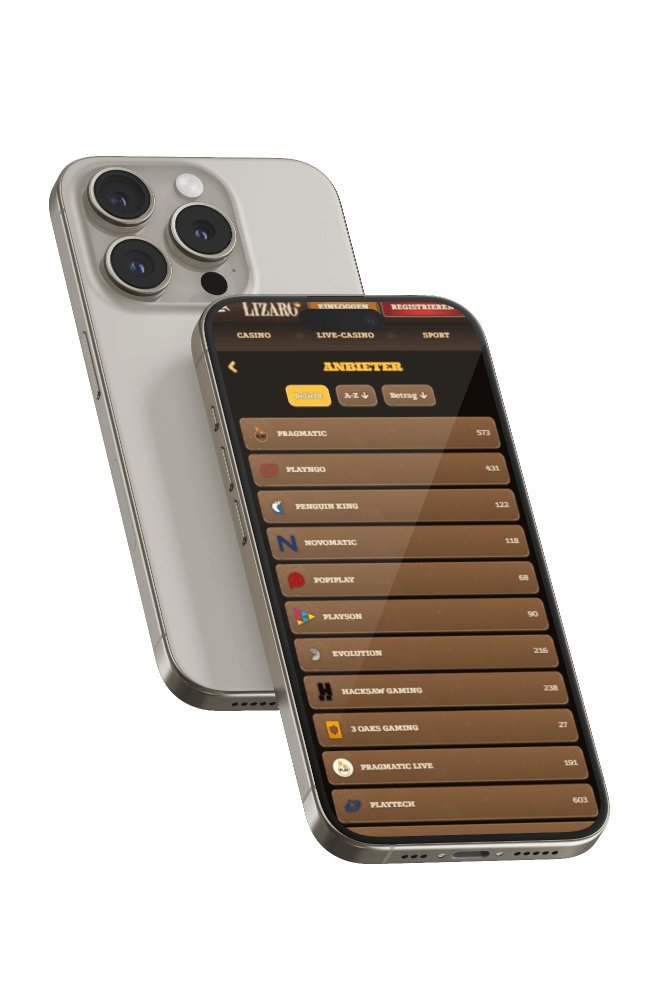
For those curious about how these social‑gaming habits translate to broader online entertainment, the lizaro bonus offers a glimpse into the crossover world of virtual casinos and live‑streamed tournaments, where the same chat‑driven dynamics apply.
What the Future Holds
Artificial intelligence is already shaping match‑making. In June 2024, a UK‑based startup rolled out a “skill‑balance” algorithm that pairs players within a 5‑point rating range, cutting average wait times from 45 seconds to 12 seconds. The result is fewer mismatched games and higher retention.
Looking ahead, 5G rollout promises sub‑second latency, meaning real‑time voice chat could become as reliable as a Discord call. Developers are already prototyping “voice‑only” rooms where you can shout tactical commands without ever seeing a text bubble.
Bottom Line
Mobile apps have turned social gaming from a niche pastime into a daily ritual for millions of Britons. The blend of bite‑size matches, persistent chat, and location‑aware events creates a loop that keeps players coming back. While data caps and occasional intrusive ads remain pain points, the rapid evolution of matchmaking and network speed suggests the next wave will feel even more seamless—and perhaps a little less “mobile”.
Frequently Asked Questions
How did mobile gaming change from 2008 to 2023?
In 2008, gamers needed a TV and controller; by 2023 most play on smartphones, often in multiplayer sessions.
What role do social features play in modern mobile games?
Games integrate chat, leaderboards, and real‑world events to create a shared, portable experience.
Which titles exemplify the shift toward quick‑play, social engagement?
Micro‑Matches and Macro‑Engagement titles such as Clash Royale and Wordscapes highlight this trend.

1 Comment
Pingback: Discover From Pocket Consoles to Social Hubs – Sell Casa Quick